Your browser is out of date.

You are currently using Internet Explorer 7/8/9, which is not supported by our site. For the best experience, please use one of the latest browsers.

View All Applications
Industries View All Industries
Projects & Design Samples View All Projects
Blog
Blog
Blog
Back to Home

Hunter Lift Blog

The Keys to Safety and Design Requirements of Below-the-Hook Lifting Devices

Many of our customers frequently ask us to help them understand what safety and design requirements should be considered when operating below the hook lifting devices. This post is intended to provide insight as to what to look for when considering safety and design requirements for these critical lift attachments. The bottom line for you and your associates is to prevent failure when operating these critical devices.

What OSHA Says About Below The Hook Lift Inspections

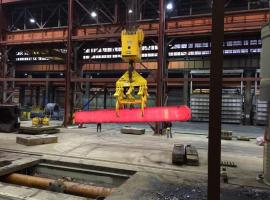
This blog post is intended to provide an overview of OSHA standards and regulations when it comes to below the hook lifter inspections. These below the hook lift devices include coil, slab, beam and roll lifters to mention a few. Many maintenance professionals and engineers have been left in the dark as to this subject. We hope this helps to provide guidance as well as additional industry tips.

The Challenges of Drum Handling

Drums and barrels are popular in most industries due to their varied utility. They are used to transport food and beverages throughout processing, they can carry oil, chemicals, and coatings, they can help to contain small components, and even finished pieces.

The Importance of U.S. Steel in National Security

With the Trump administration’s pro-defense stance, the U.S. will need of a robust and steady supply of steel to support an increase in defense manufacturing. A major war could cut off our supply of steel from overseas and thereby impact our ability to ramp up the requisite production of armaments. The military’s heavier utilization of domestic sources of steel is arguably the answer to many national security concerns.

Taking Advantage of Summer Downtime with Equipment Inspections

While we’ve been seeing a surge in business over the past several years, summer tends to be a time when our customers need their equipment inspected . It’s a great time to consider scheduling field inspections over the next couple of months to make sure your equipment is in top shape.

Prioritizing Domestic Steel for Key Infrastructure Upgrades

The US steel market has been going through a monumental slump. On the face of it the fact looks simple enough. But those who dig deeper unearth a startling truth. The demand for steel in the nation has steadily increased over the past few years.

2017 Might Just Be the Springboard the Steel Market is Looking For

The year was 2010. The price of steel per ton in the US was a healthy $646.7. In 2011 it rose to $749.6. But the ensuing period instead of being the golden era of steel production turned out to be a bitter slump that has spiraled despite assurances of stability. The World Steel Association had predicted that the fall in demand of 2015 had led to a “bottoming out” of steel prices. So the only way to go was up.

ArcelorMittal Aims to Boost Domestic Steel Supply

ArcelorMittal is promoting domestic steel, applauding the United States Department of Commerce (DOC) investigations into China’s handling of corrosion-resistant carbon steel and cold-rolled carbon steel. ArcelorMittal has also joined in the recent tribute to U.S. Navy aircraft carriers and announced plans to open a new steel production plant in Detroit.

The Importance of Regular Inspections and Preventative Maintenance in Material Handling

Running a business can mean having a lot of expenses, one of those being equipment. While costly equipment is often necessary, it shouldn’t keep on costing you. Having a machine break down can lead to not only expensive repairs, but the resulting downtime means a loss of productivity as well. It’s a no-win situation.

The Data-Driven Lift Truck

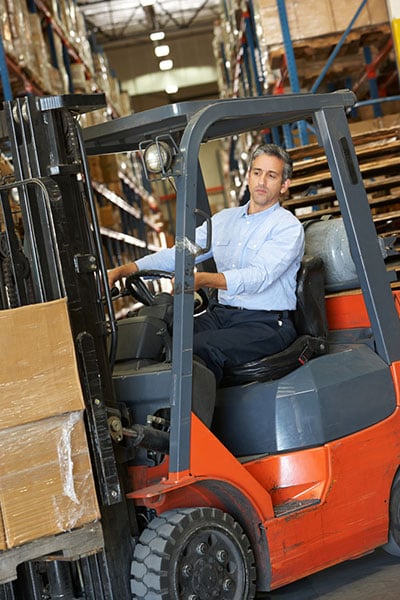
For years, lift trucks have helped improve efficiency because of their ability to lift heavy loads. While these machines did the back-breaking work for humans, they also helped to increase speed and productivity. They became an invaluable extension of the workers who used them. Now, these same lift trucks are becoming even more valuable to companies, due to their ability to store and report computerized data over long distances, a process referred to as telematics.