Your browser is out of date.

You are currently using Internet Explorer 7/8/9, which is not supported by our site. For the best experience, please use one of the latest browsers.

View All Applications
Industries View All Industries
Projects & Design Samples View All Projects
Blog
Blog
Blog
Back to Home

Hunter Lift Blog

The Keys to Safety and Design Requirements of Below-the-Hook Lifting Devices

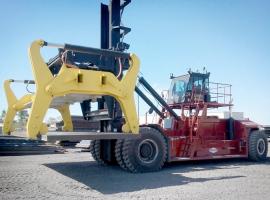
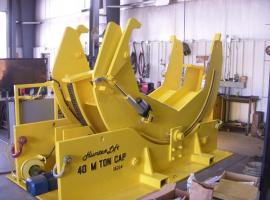
Many of our customers frequently ask us to help them understand what safety and design requirements should be considered when operating below the hook lifting devices. This post is intended to provide insight as to what to look for when considering safety and design requirements for these critical lift attachments. The bottom line for you and your associates is to prevent failure when operating these critical devices.

Requirements for Below the Hook Lifting Devices

What are the operational requirements for below-the-hook lifting devices? This has been a question that has been asked by many people in the manufacturing and logistics industry. This blog post aims to answer this question and discuss some of the benefits of following the operational requirements when using below the hook lifting devices. Stay tuned!

Safe Practices While Operating Below the Hook Lifting Devices

If you're an employer of an industry that makes ample use of below the hook lifting devices, there are a few things to keep in mind. First and foremost, ensure that your team uses the proper safety equipment and practices when operating your lifting devices.

What OSHA Says About Below The Hook Lift Inspections

This blog post is intended to provide an overview of OSHA standards and regulations when it comes to below the hook lifter inspections. These below the hook lift devices include coil, slab, beam and roll lifters to mention a few. Many maintenance professionals and engineers have been left in the dark as to this subject. We hope this helps to provide guidance as well as additional industry tips.

The Importance of Quality and ISO Certifications in Manufacturing

One thing that sets us apart is our commitment to quality and safety standards in manufacturing. But what does it really mean when a company says they’re committed to quality? The International Organization for Standardization has been around since 1946 to coordinate international industrial standards. The organization as it’s recognized today, ISO, officially began operations in 1947.

Taking Advantage of Summer Downtime with Equipment Inspections

While we’ve been seeing a surge in business over the past several years, summer tends to be a time when our customers need their equipment inspected . It’s a great time to consider scheduling field inspections over the next couple of months to make sure your equipment is in top shape.

The Importance of Regular Inspections and Preventative Maintenance in Material Handling

Running a business can mean having a lot of expenses, one of those being equipment. While costly equipment is often necessary, it shouldn’t keep on costing you. Having a machine break down can lead to not only expensive repairs, but the resulting downtime means a loss of productivity as well. It’s a no-win situation.

Forging New Relationships

What do you do if you have to lift and remotely install forging dies? You call on the lifting experts at Hunter Lift! The owners of a new state-of-the-art forging facility came to Hunter Lift to design a custom system that would work effectively in their new plant. As we are the leaders in lifting solutions, engineered and fabricated below the hook lifting devices, for extreme and challenging conditions.

National Safety Month is the Ideal Time to Review Safety Procedures for Operating Industrial Lifters and Lifting Equipment

Is your workplace safe? More specifically, since we specialize in providing quality engineered below-the-hook lifting devices for all industries at Hunter Lift, we need to ask this question: Are you properly considering and following safety measures before lifting? As we reported in a blog post earlier this year, a lot of workplace injuries are the result of improper lifting, and these injuries can be prevented.

The Beginning of the Year is the Ideal Time to Re-Analyze Your Safety Procedures

‘Safety first’ goes the mantra so the first month of a new year is the right time to look over, and re-evaluate procedures, ensure that all equipment inspections are up to date, and offer safety training. Many companies involved in material handling operations utilize lifting equipment and devices but may overlook the importance of maintenance and certifications.